
Available 24 hours a day, 7 days a week

Sofa Cleaning by Fabric Type: A Guide for Kerry Homes
The safest sofa-cleaning method depends on the upholstery. Velvet, microfibre, linen and synthetic fabrics can react differently to moisture, agitation, cleaning products and stain treatment. Professional sofa cleaning by fabric type in Ireland should therefore begin with assessment, not a universal process.
Table of Contents
Why Sofa Fabric Changes the Cleaning Method
Fibres, backing, dyes and cushion construction influence how upholstery should be treated. Some fabrics tolerate more moisture; others are more prone to water marks, colour movement, shrinkage, pile distortion or slow drying. Chemistry, agitation, stain treatment and extraction must also suit the material. A process suitable for a robust synthetic may be inappropriate for a delicate natural fibre.
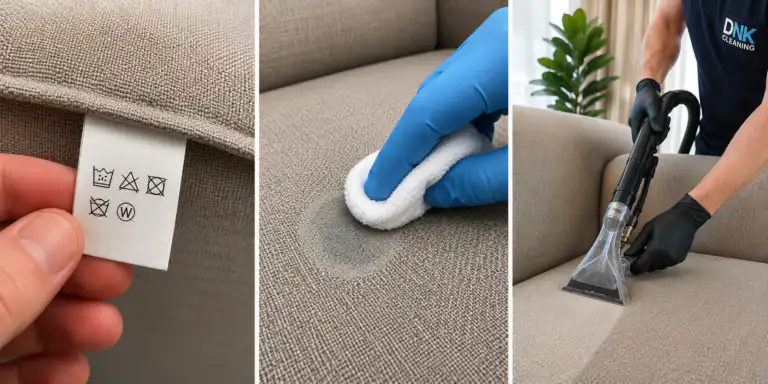
Check the Fabric and Care Label First
A sofa care label can provide fibre information, manufacturer instructions and codes such as W, S, WS or X where supplied. Removable covers may have different instructions from fixed upholstery. The label is an important starting point, not a complete diagnosis. Previous treatments, staining and overall condition still matter.
Cleaning Velvet Upholstery
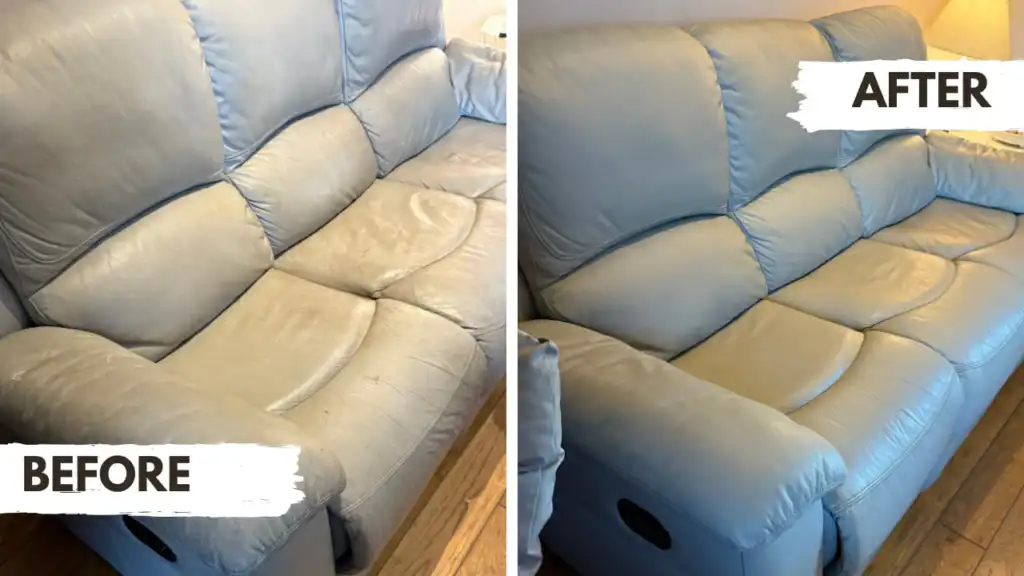
Velvet requires care because its pile can change if over-wetted, brushed incorrectly or exposed to unsuitable agitation. Risks can include water marking, colour movement, crushing or changes in the nap. Natural and synthetic velvets can behave differently. The suitable velvet sofa cleaning method depends on composition, manufacturer guidance and condition.
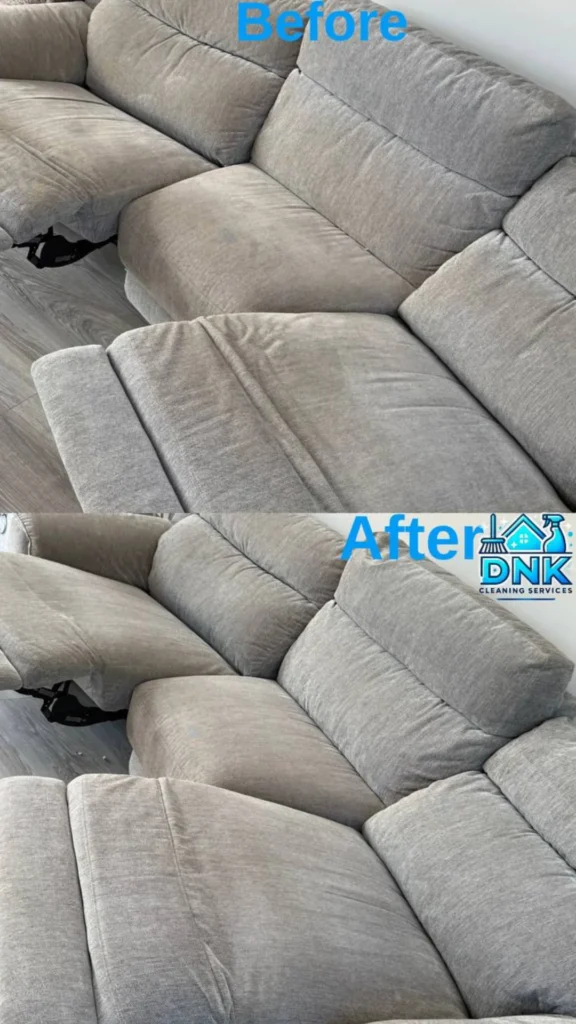
Cleaning Microfibre Upholstery
Microfibre is often densely constructed and synthetic, but that does not make every product safe. Body oils and soil commonly build up on armrests, headrests and other high-contact areas. Professional microfibre sofa cleaning should consider the care label, backing and stain type. Some constructions may show water marks if moisture is poorly controlled.
Cleaning Linen and Natural Fabrics
Linen and other natural fibres can be highly absorbent. Excess moisture may increase the risk of slow drying, colour movement, shrinkage or distortion, depending on construction and finish. Cleaning linen upholstery therefore calls for controlled moisture and careful assessment, adapted to the fibre, dye stability and cushion construction.
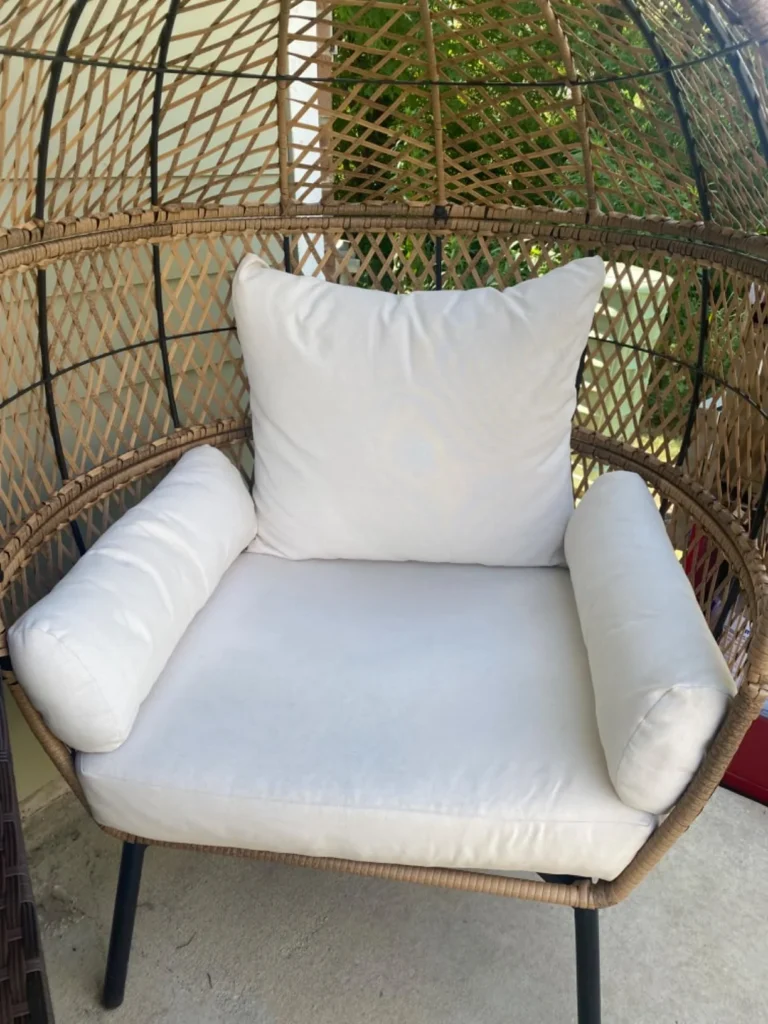
Cleaning Synthetic Sofa Fabrics
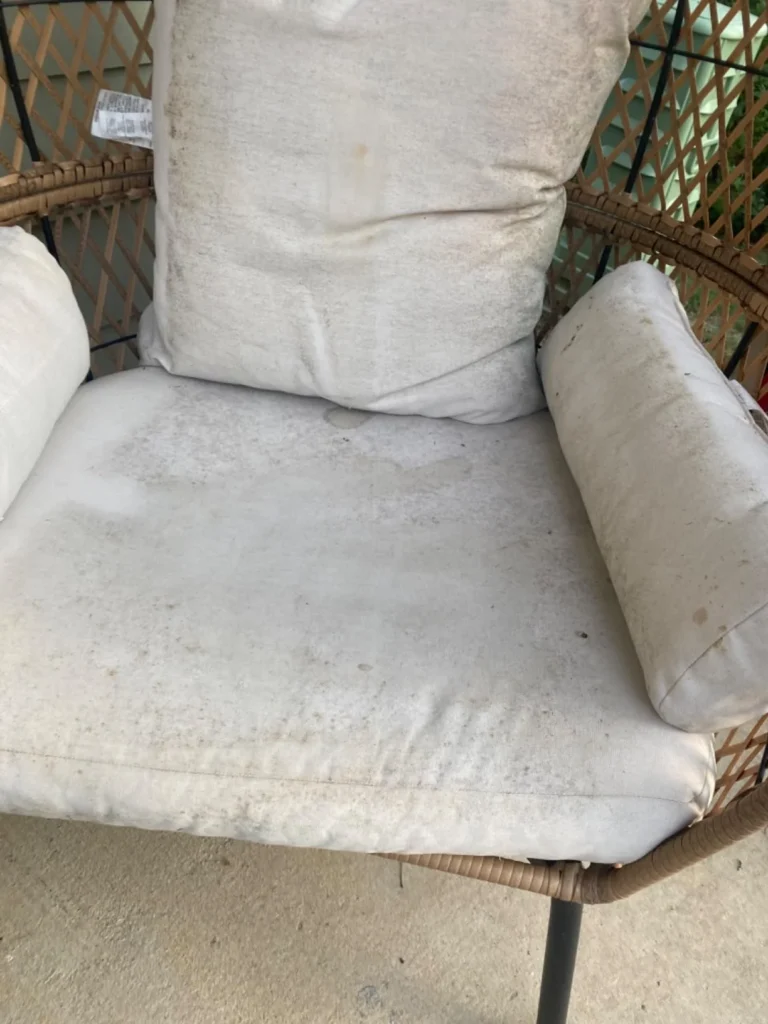
Synthetic upholstery may tolerate cleaning differently from natural fibres. However, “synthetic” does not automatically mean every treatment is suitable. Blended fibres, backing, dyes and finishes can still affect the result.
| Upholstery Type | Main Cleaning Consideration |
| Velvet | Pile, texture and moisture control |
| Microfibre | Care code, oils and spotting |
| Linen | Moisture control and colour stability |
| Synthetic fabric | Fibre blend, staining and construction |
Stain Testing and Colourfastness
Before stronger stain treatment is used, a small test may be appropriate in an inconspicuous area. An upholstery colourfastness test helps assess whether dyes remain stable when exposed to moisture or cleaning products.
A stain remover that works on one sofa may cause colour loss or texture change on another. Previous DIY chemicals can also alter later reactions.
Different Stains Need Different Treatment
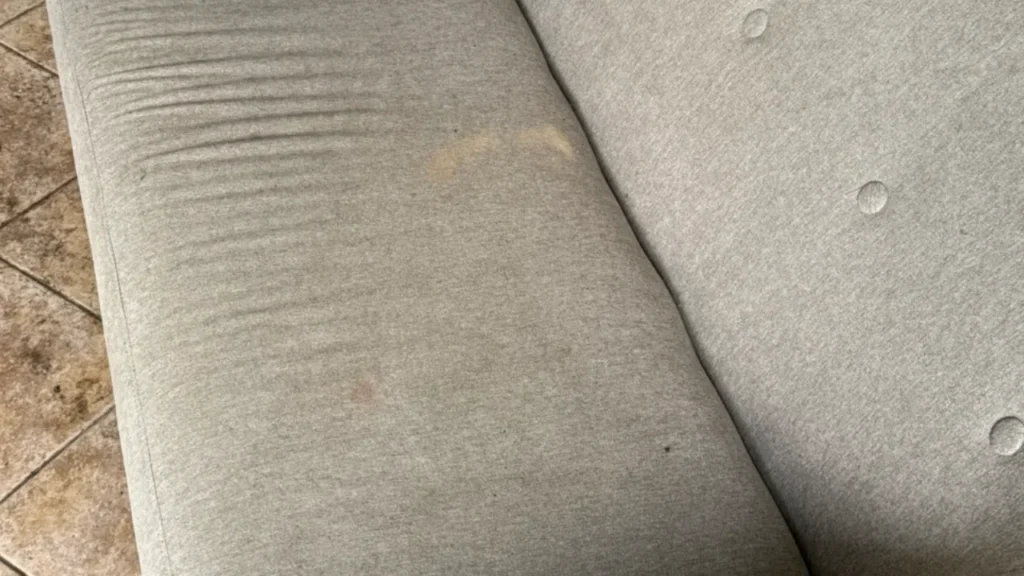
Food and drink stains, body oils, pet-related contamination and old unknown marks behave differently. Fibre type, stain age and previous attempts affect what can be treated safely. Complete stain removal cannot be guaranteed without assessing the material and condition. Do not mix household chemicals.
How Long Will the Sofa Take to Dry?
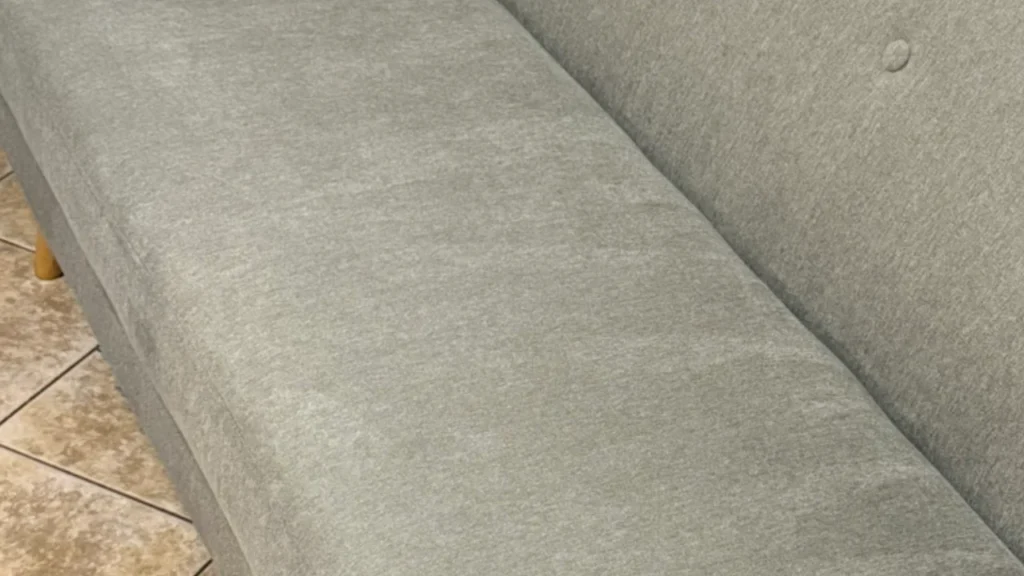
Professionally cleaned sofas often need several hours to dry. DNK currently uses 4–8 hours as a general guide, but actual drying time varies with fabric type, cushion filling, moisture level, ventilation, room temperature and indoor humidity.
When Professional Upholstery Cleaning Is Safer
Professional assessment is particularly useful for valuable furniture, unknown fabrics, velvet, linen, natural fibres, old staining or sofas that have received several DIY treatments. DIY cleaning is not always unsafe, but risk rises when fabric type, stain chemistry or moisture tolerance is uncertain.
Sofa Cleaning in Kerry
DNK Cleaning provides sofa and upholstery cleaning across Kerry, including Tralee and Killarney. Fabric, condition and staining should be assessed before treatment.
- Upholstery cleaning — from €40*
- Sofa + armchair set — from €80*
Final quotation depends on fabric, furniture size, condition, staining and the cleaning process required. For service details, see professional upholstery cleaning or the professional cleaning costs guide.