
Available 24 hours a day, 7 days a week

Black Mould on Bedroom Walls in Kerry: What Is Causing It?
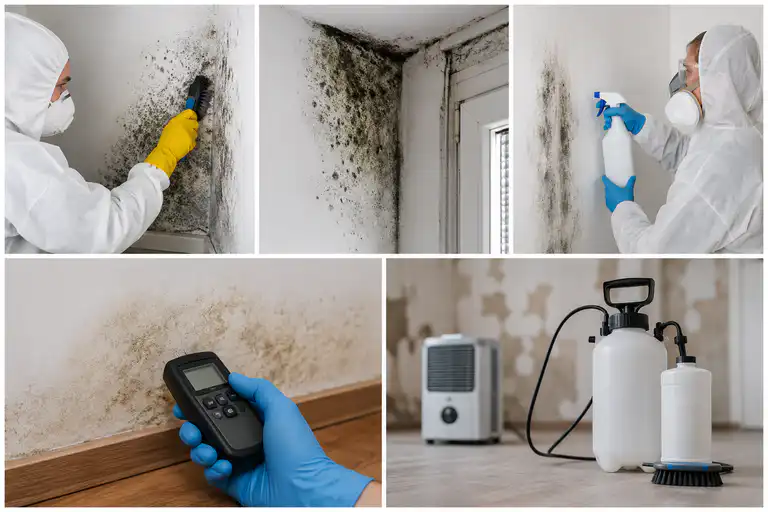
Black mould on a bedroom wall usually means moisture is repeatedly reaching the surface or remaining there long enough for mould to grow. The key question is not only how to remove it, but why that section of wall stays damp. Possible causes include condensation, limited airflow, colder wall surfaces, leaks, persistent damp or previous water damage. Appearance alone cannot confirm the cause.
Table of Contents
Why Mould Appears on Bedroom Walls
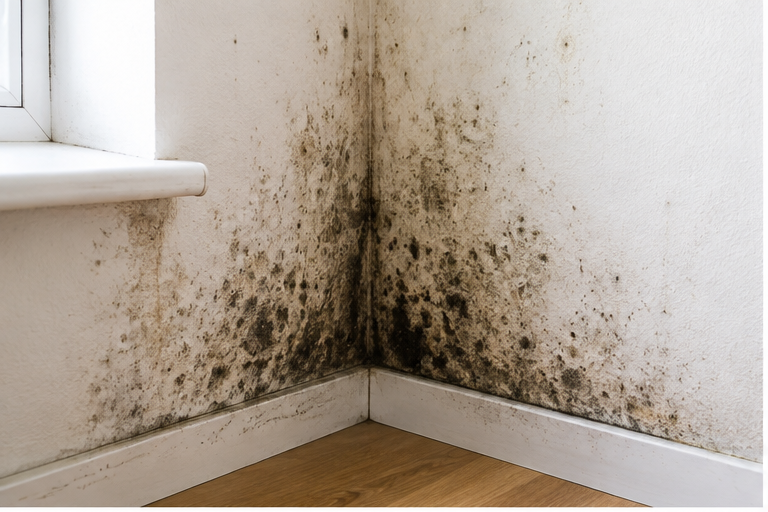
Mould needs moisture, a suitable surface and enough time to develop. In bedrooms, moisture can build up when humid indoor air meets a colder surface, when air circulation is poor, or when water enters from a leak.
Recurring mould should therefore be treated as a moisture problem as well as a cleaning problem. If the moisture source remains, it may return.
Not Sure What Is Causing the Mould?
Black mould can appear for several reasons, and the visible pattern alone cannot confirm whether the source is condensation, a leak or another moisture problem.
Send DNK Cleaning:
- Your Eircode
- 2–3 clear photographs
- A wide photo of the affected wall
- A close-up of the mould
- The approximate size of the affected area
- How long the problem has been present
- Whether the wall feels damp
- Whether there has been a known leak or water incident
We can review the visible condition and advise on the appropriate next step.
Condensation vs Leak vs Damp Surface
| Possible cause | Typical clues |
| Condensation | Often associated with colder surfaces, windows and limited airflow |
| Leak | May be localised and linked to plumbing, roofing or water ingress |
| Persistent damp surface | Repeated moisture affecting the same section of wall |
| Previous water damage | Discolouration or recurring moisture after an earlier incident |
These patterns are clues, not a definitive diagnosis.
Mould Around Windows
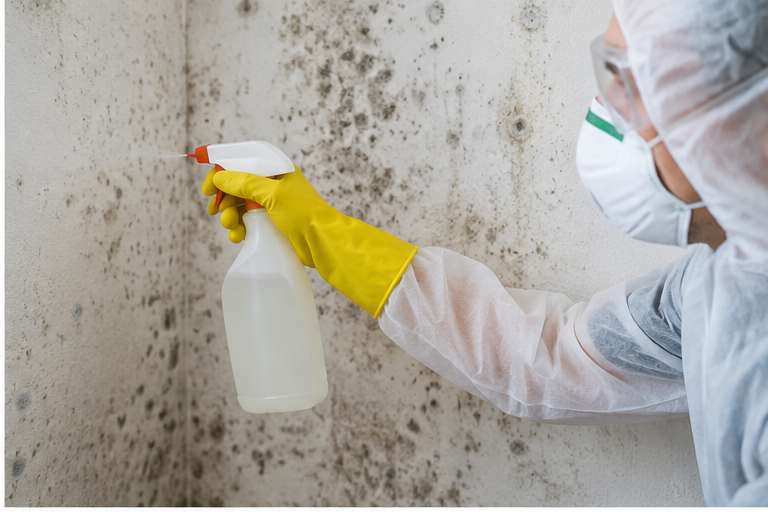
Black mould around a bedroom window can be associated with condensation because glass, frames and window reveals may be colder than the surrounding room. Moisture can collect there where ventilation is limited.
However, mould around windows is not always condensation. Failed seals, local water ingress or another damp problem may affect the same area.
Mould on External Walls
The internal surface of an external wall may be colder than other parts of the bedroom. Furniture placed tightly against it can also reduce airflow.
A colder section of wall may therefore be more prone to surface condensation, especially where air movement is limited. This does not confirm a thermal bridge or building defect without inspection.
Mould After a Leak
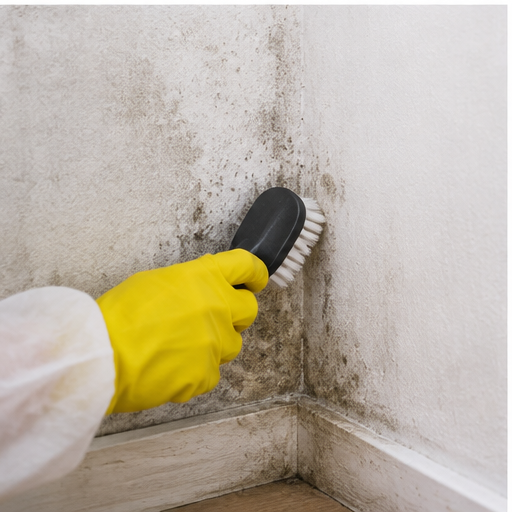
Mould after a roof leak, plumbing leak or water incident may indicate that the wall remained damp. If a leak is still active, mould treatment does not replace the repair. The water source must be corrected before long-term mould control is realistic.
Why Mould Often Appears Behind Furniture
Wardrobes, beds and other furniture placed close to an external wall can restrict airflow. The surface behind them may stay colder and dry more slowly. Where practical, allowing some air movement can help, but airflow alone will not correct a wall that remains damp.
Why Cleaning the Surface May Not Solve the Cause
Visible mould is often a symptom of a moisture problem. Cleaning or treating the surface can remove or reduce existing contamination, but it does not automatically correct condensation, high indoor humidity, a leak, water ingress or persistent damp.
If those conditions remain, mould may return. Repeated surface cleaning without addressing moisture can therefore become an ongoing cycle.
What Professional Mould Treatment Can Do
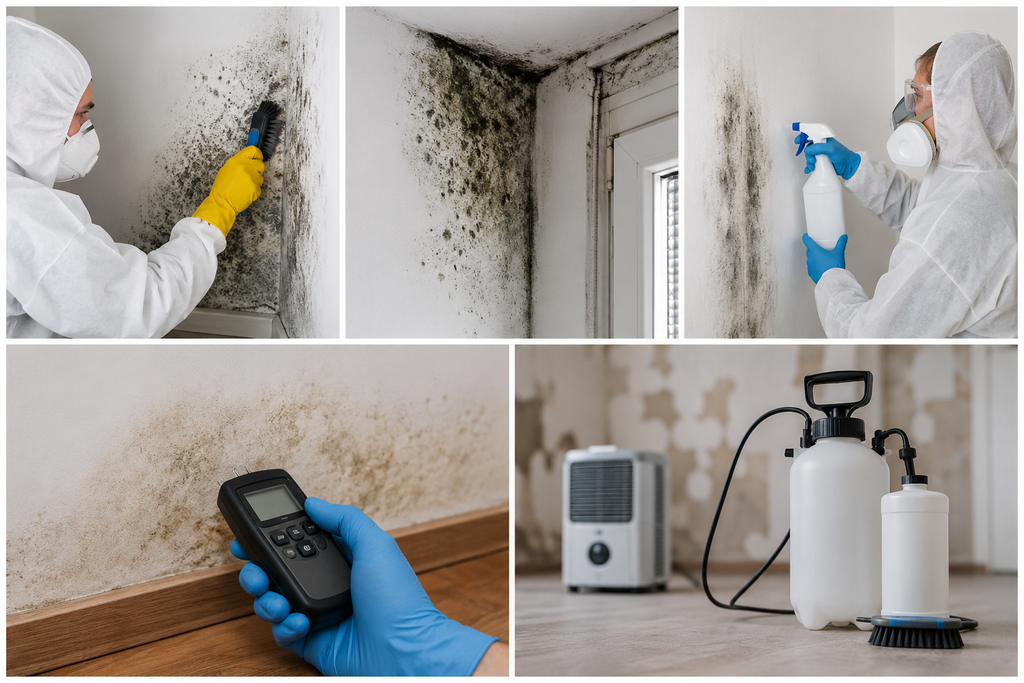
Professional mould treatment goes beyond simply wiping visible marks from the wall. The affected area should first be assessed to understand the extent of the mould growth, the type of surface involved and whether there are signs of an underlying moisture problem.
Depending on the condition of the area, professional treatment may include:
- assessing the affected walls, ceilings, window surrounds or other surfaces;
- checking for visible signs of condensation, persistent damp or water damage;
- determining whether the surface is suitable for professional cleaning and treatment;
- treating affected surfaces with an appropriate professional mould-treatment solution;
- removing surface contamination and residues where the material allows;
- allowing the treated area to dry properly;
- advising the property owner on ventilation, moisture control and other measures that may help reduce the risk of mould returning.
The exact treatment depends on the surface material, severity of the contamination and condition of the affected area. Some painted walls and other surfaces can be treated successfully, while heavily damaged, porous or deteriorated materials may require repair or replacement rather than cleaning alone.
It is also important to separate mould treatment from moisture-source repair. If mould is being caused by a plumbing leak, water ingress, persistent condensation or another building-related moisture problem, that underlying issue must also be corrected. Treating the visible mould without addressing the moisture source may allow it to return.
For properties across County Kerry, DNK Cleaning can assess the affected area and advise on an appropriate treatment approach.
When the Moisture Source Needs Separate Repair
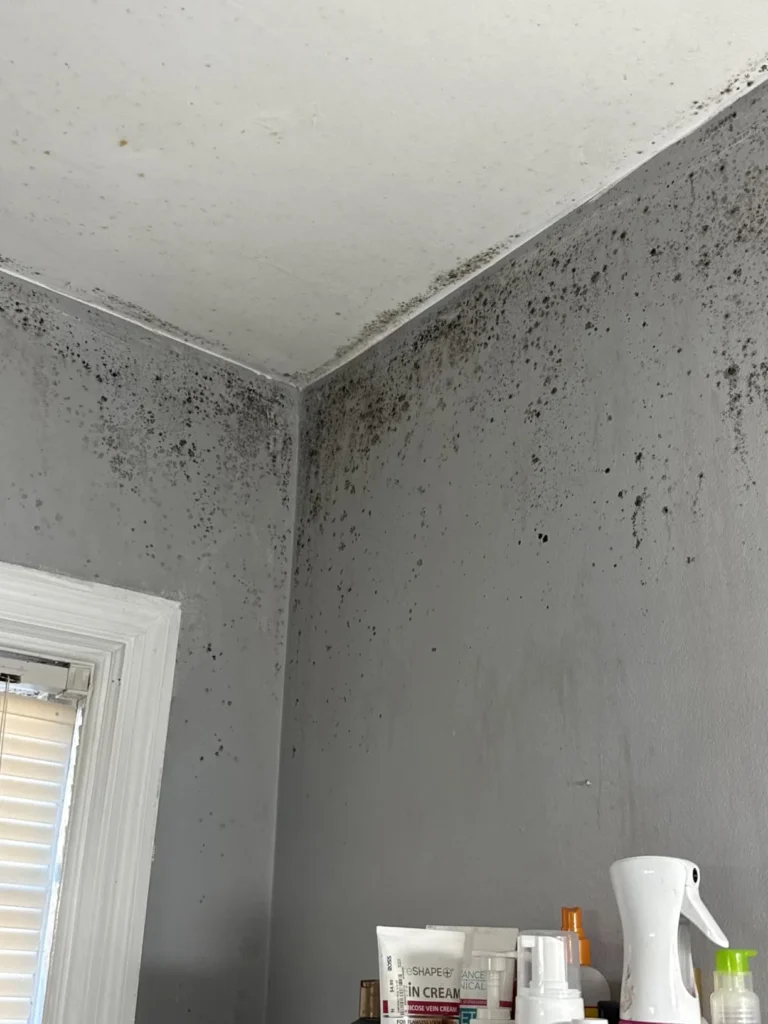
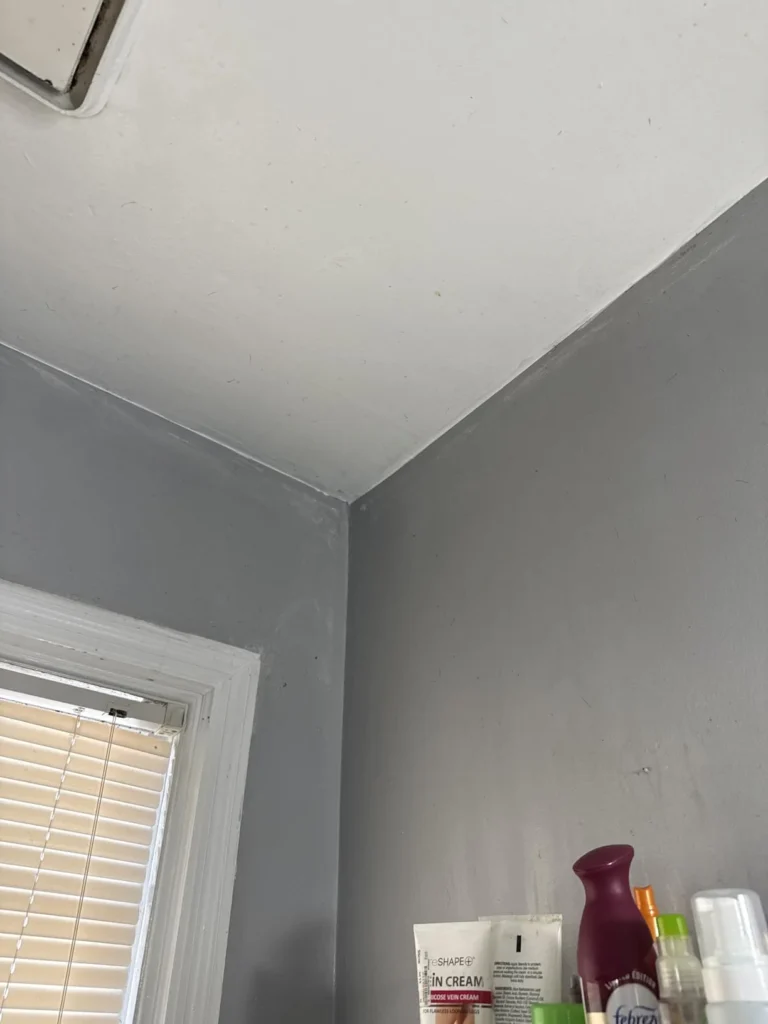
Mould treatment and moisture-source repair are related but different tasks. A leaking pipe, damaged roof, failed seal, water ingress, persistent structural damp or another building defect may require a plumber, roofer, builder or other specialist.
Repainting should only be considered after the mould and moisture problem have been addressed. Painting over active mould or a damp wall is not a solution.
How to Reduce Recurring Moisture
Regular ventilation, suitable extractor use, reasonable heating and better air movement around furniture can help reduce condensation-related moisture. Avoid drying large amounts of laundry in an unventilated bedroom, address leaks promptly and use a dehumidifier where appropriate.
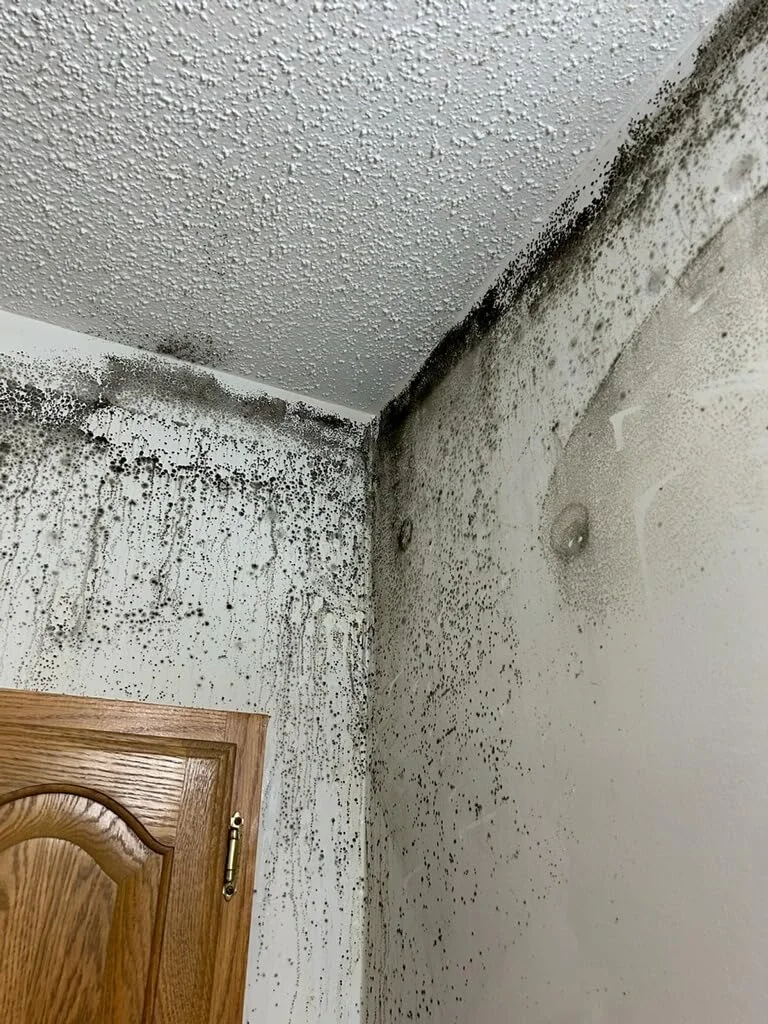
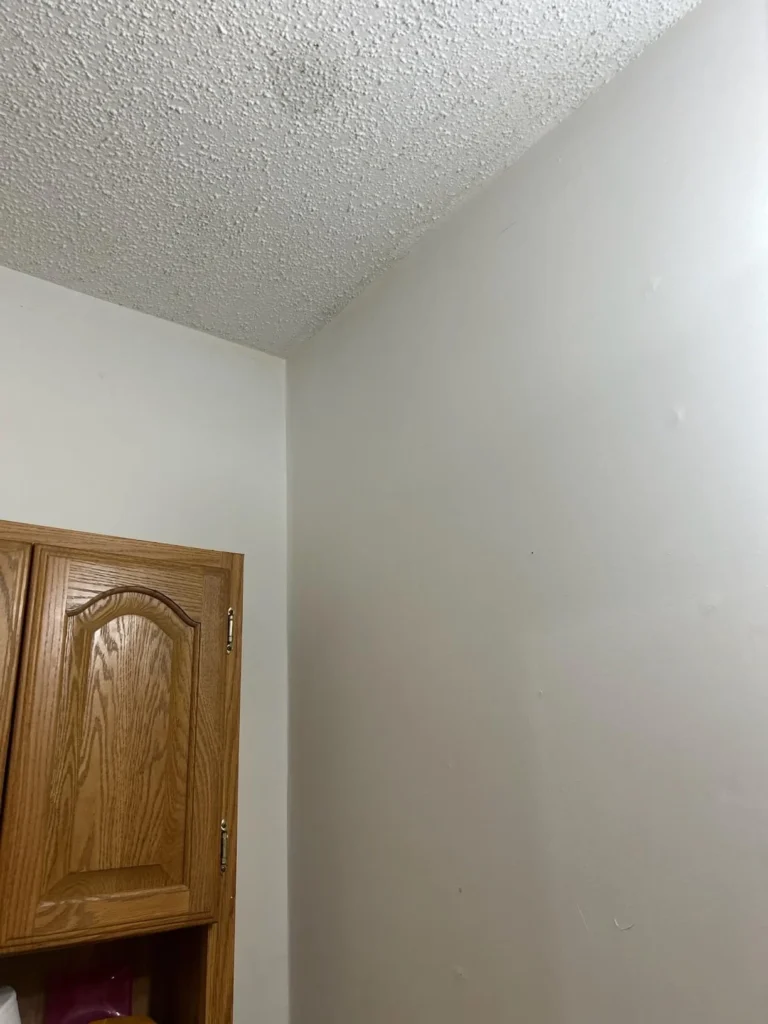
If one section remains damp, further investigation may be needed.
When Should You Call a Professional?
Consider help if mould repeatedly returns, the affected area is expanding, a musty odour remains, the wall stays damp, the problem appeared after a leak, several areas are affected or DIY cleaning has not solved the issue.
Bedroom Mould Treatment in Kerry
DNK Cleaning provides professional mould treatment across County Kerry, including Tralee, Killarney, Castleisland and surrounding areas. Send clear photographs and details about the wall for review before a quotation.
See the professional cleaning cost guide for related costs.
FAQ
Why is black mould growing on my bedroom wall?
Black mould growth generally indicates that moisture is remaining on or within the affected area. Condensation, limited airflow, colder surfaces, leaks, persistent damp or previous water damage may all contribute.
Is mould around a bedroom window caused by condensation?
It can be. Windows and reveals are often colder surfaces where condensation can collect. However, failed seals, water ingress or other damp problems can create similar visible patterns.
Why does mould keep coming back after I clean it?
Recurring mould may indicate that the moisture conditions supporting growth are still present. Surface cleaning does not correct condensation, leaks, water ingress or persistent damp.
Can a leak cause black mould on a wall?
Yes. A roof leak, plumbing leak or previous water incident can leave materials damp enough to support mould growth. An active leak should be repaired separately.
Why does mould grow behind bedroom furniture?
Furniture can restrict airflow around a wall, particularly an external wall. The surface may remain colder and dry more slowly, increasing the likelihood of condensation-related moisture.
Can professional mould treatment stop mould permanently?
Professional treatment can address existing contamination on suitable surfaces, but recurrence depends heavily on whether the underlying moisture conditions are corrected.
Should I repaint a wall after mould treatment?
Repainting may be appropriate after treatment, but only once the mould and the moisture source have been properly addressed and the surface is suitable for painting.
Can DNK Cleaning treat bedroom mould in Kerry?
DNK Cleaning provides mould treatment services across County Kerry. Send photographs and details of the affected area so the visible condition can be reviewed before quotation.
What photos should I send for a mould quotation?
Send a wide photo of the entire affected wall, one or two close-ups of the mould and, where relevant, a photo showing nearby windows, furniture or other surrounding features.