
Monday to Saturday - 9am to 9pm


End of Tenancy Cleaning in Killarney: Landlord Checklist + How to Pass Inspection
End of tenancy cleaning in Killarney is not a cosmetic “wipe and wave.” It’s the practical standard that decides whether a handover feels smooth or turns into days of messages, photo requests, and deposit arguments. In County Kerry rentals, inspections are often fast, and that’s exactly why detail matters: inspectors don’t have time to debate intent, they judge visible outcomes. When a kitchen looks “nearly done,” it often gets treated like “not done,” because grease, limescale, and grime are easy to spot and hard to excuse.
Ireland’s own guidance makes the stakes clear. The Residential Tenancies Board (RTB) lists several legal reasons a landlord may keep all or part of a deposit, including rent arrears, unpaid bills, damage above normal wear and tear, and in some situations insufficient notice. It also advises tenants to clean the property, remove all belongings, dispose of waste, and take photos at the start and end of the tenancy.

From DNK Cleaning’s side, we see the same pattern: most tenants don’t fail because they didn’t try; they fail because they cleaned the wrong things first. They spend energy on the obvious surfaces, then miss the hidden, high-risk areas — inside cupboards, behind toilets, the extractor area, the shower tracks, and the oven glass. And because modern move-outs often involve tight timelines, the property may be half-packed while cleaning happens, which blocks access and lowers the final finish. If you want an inspection-ready result, the method has to be inspection-led, not mood-led.
Table of Contents
DNK Cleaning: What Tenants and Landlords Expect in Killarney Today
“Passing inspection” does not mean “brand new,” and it rarely means perfection. Passing means the property looks maintained, smells neutral or fresh, and photographs well under harsh light. In practice, landlords and agents look for three outcomes:
- Hygiene is obvious: no visible grime, mould specks, greasy film, or lingering bin/fridge odours.
- Surfaces look maintained: floors are clean to the edges, glass is streak-free, chrome is polished rather than dulled by limescale.
- High-risk zones are completed: appliances, cupboards, shower edges, toilet base area, and touchpoints are done — not skipped.
That focus isn’t random. RTB reporting shows disputes in Ireland’s rental sector are not rare, and deposit retention is consistently among the top dispute categories. In the RTB’s Annual Report 2024, deposit retention accounted for 19% of dispute applications, with 1,811 deposit retention applications recorded that year.
A clean that can be proven is also harder to challenge. Threshold’s practical advice to tenants is direct: clean thoroughly, remove belongings, dispose of rubbish, take dated photos, and ideally request a final inspection.
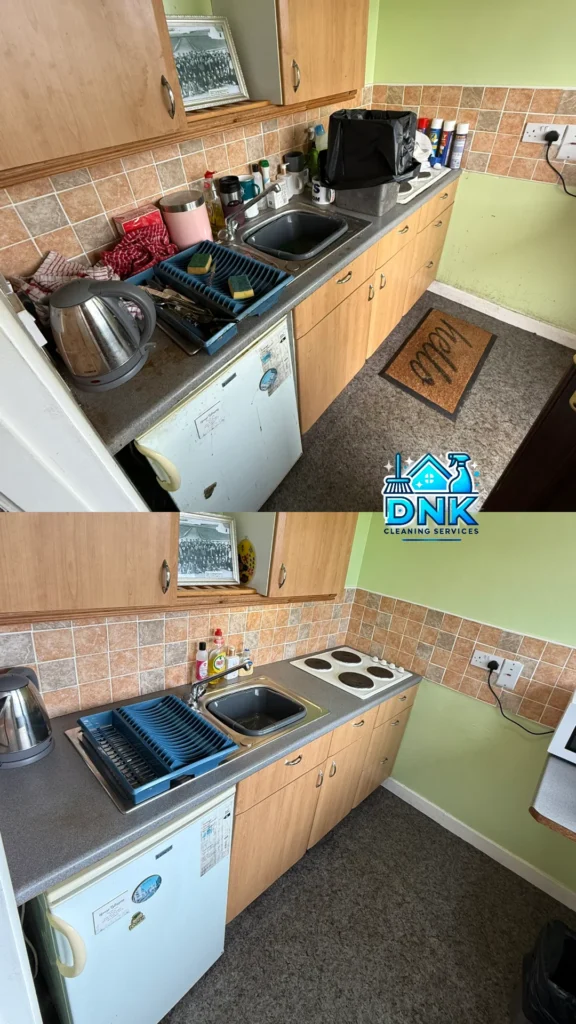
Landlord Checklist: The Non-Negotiables That Protect Deposits
A landlord checklist isn’t designed to be “fair.” It’s designed to be fast, consistent, and defensible. That’s why it focuses on areas that signal either care or neglect at a glance.
Quick Pass/Fail Hotspots (the 60-second scan)
If you want the shortlist landlords effectively run, it’s this:
- Oven door glass + racks
- Hob and knobs
- Extractor area
- Shower screen + tracks
- Tap bases and chrome
- Toilet base + behind the toilet
- Skirting boards and corners
- Internal windows and mirrors
- Smells (bins, fridge, damp, smoke/pets)
Treat hotspots as a sequence, not scattered effort. Start with tasks that need dwell time (descaler, degreaser), then work top-to-bottom so dust and residue don’t fall onto cleaned surfaces. Finish with floors and glass so the property photographs well.
The “small” details that trigger deductions
Tenants often get frustrated by deductions that feel petty: fingerprints on switches, dust on skirting boards, grime on handles, hair in corners, streaks on mirrors. But those small items are also the easiest to document. Once something photographs clearly, it becomes difficult to argue it away as “normal wear and tear.”
The RTB’s wear-and-tear guidance also emphasises evidence: if deductions are claimed, the landlord should be able to justify them with photos and supporting documentation, and tenants should protect themselves with their own photos and inventories.
End of tenancy cleaning in Killarney: Room-by-Room Checklist
A room-by-room checklist removes decision fatigue. Moving is chaotic; chaos creates missed tasks. The rule is simple: kitchen and bathroom first, then the rest. If you pass the hardest rooms, you usually pass the property.
Kitchen: grease, appliances, and cupboards
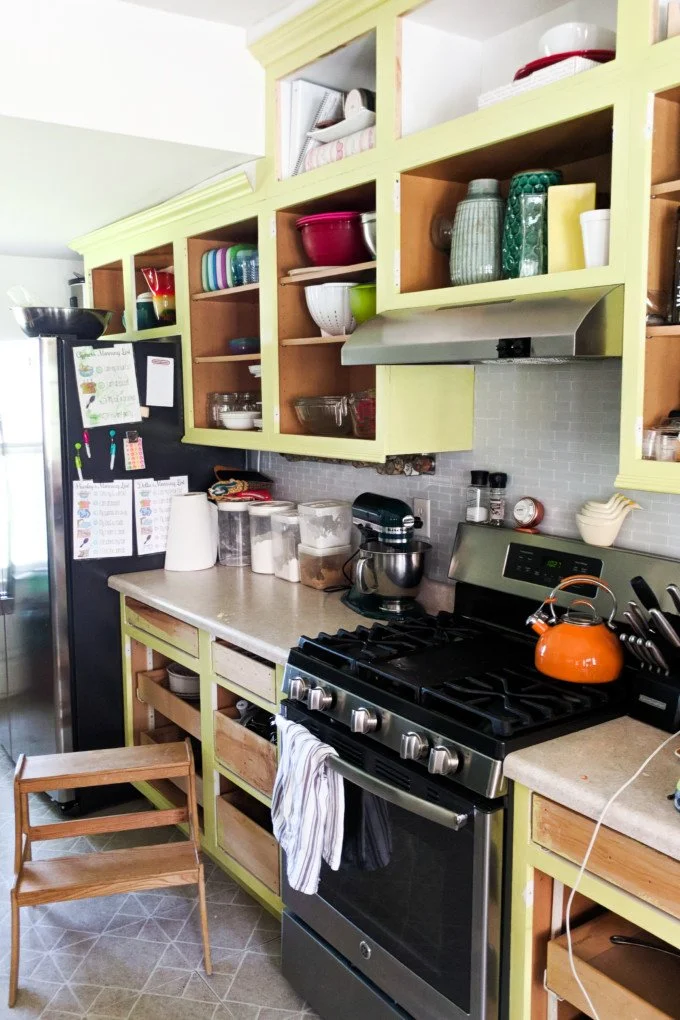
The kitchen is where deposits go to live or die, because it’s the room most likely to have baked-on residue and hidden grime.
Inspection-led kitchen checklist
- Clear all cupboards and drawers; wipe inside, not just fronts.
- Degrease the cooking zone: backsplash, cabinet sides near the cooker, handles.
- Clean sink zone: drain area, plug, tap base, and any limescale rings.
- Wipe under-sink cupboard; check for stains and odours.
- Do a final polish pass: counters, splashbacks, and visible stainless/chrome.
- Floors last: vacuum edges and corners, then mop.
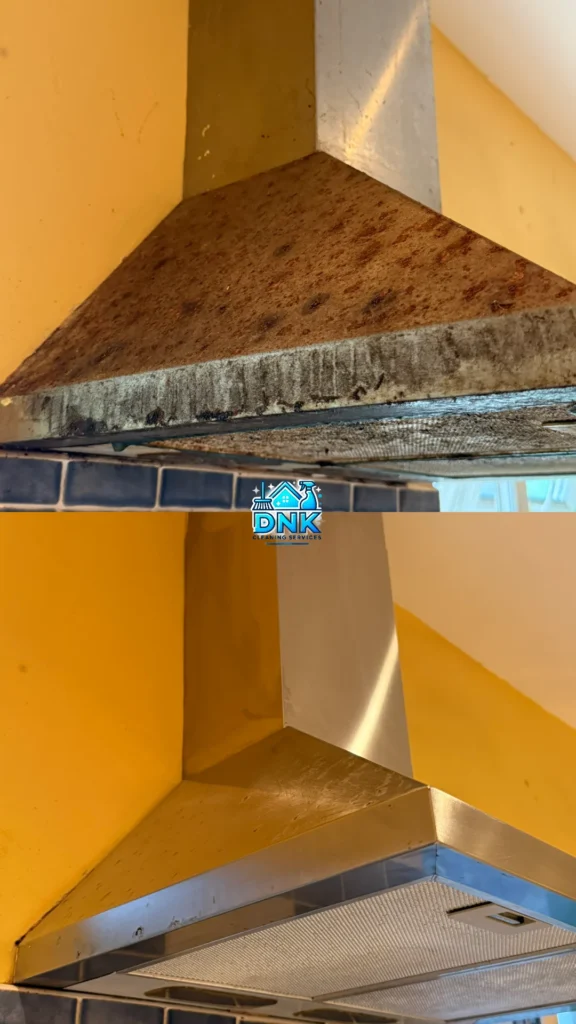
Kitchen deep-clean targets: oven, hob, extractor zone, fridge
If you deep-clean four targets, make them the oven, hob, extractor zone, and fridge. These are the appliances landlords most often open, touch, and (in the case of the fridge) smell.
DNK Cleaning publishes inspection-relevant appliance pricing signals on our Kerry appliance cleaning page: single oven from €70, double oven from €90, and an appliance bundle (oven, fridge, microwave) from €130.
If you DIY, focus on what gives you away:
- Oven: inside glass, racks, door seal, and carbon spots under the oven light
- Hob: knobs, edges, and the ring area where residue bakes on
- Extractor area: visible grease film and drip points
- Fridge: trays, seals, handles, and odour sources
Bathroom: limescale, mould specks, and chrome shine
Bathrooms fail inspections on details, not effort. You can spend an hour wiping tiles and still lose points if the shower screen is cloudy, tap bases are crusted with limescale, or the toilet base is dusty.
Inspection-led bathroom checklist
- Ventilate first; apply descaler to taps, shower head, glass.
- Remove soap scum from tiles and screen; rinse thoroughly.
- Scrub grout lines gently; don’t damage surfaces.
- Clean toilet beyond the bowl: hinges, base, behind the toilet, floor join.
- Polish chrome; mirrors streak-free under bright light.
- Wipe inside bathroom drawers/cupboards; remove hair and product residue.
- Floors last; edges matter.
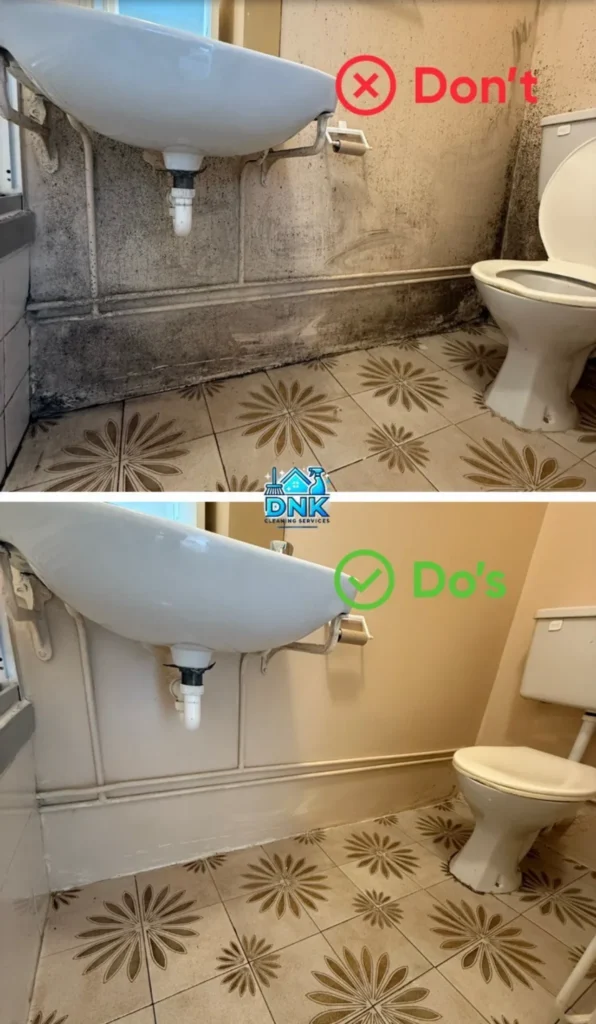
Bathroom deep-clean targets: shower tracks, grout/silicone, toilet base
Three targets decide whether the bathroom looks professionally cleaned:
- Shower tracks (hair + soap residue)
- Grout/silicone lines (mould specks and darkening)
- Toilet base area (dust and splash marks at the floor join)
If you’re trying to avoid disputes, the message is consistent across Irish guidance: return the property in a similar condition (minus normal wear and tear), document it, and keep your evidence.
Everywhere else: dust lines, floors, skirting boards, marks
After kitchen and bathroom, move-outs succeed or fail on quiet details.
Inspection-led “everywhere else” checklist
- Dry dust first: skirting boards, door frames, switches/sockets, radiators, shelves, window ledges.
- Internal glass and mirrors: streak-free in daylight.
- Floors: vacuum thoroughly, especially edges and corners; mop where appropriate.
- Spot-clean wall marks only if safe; avoid patchy paint damage.
- Utility/laundry: wipe seals, drawers, and bin area to prevent odours.
If internal window clarity is part of your landlord’s standard, DNK Cleaning publishes window price signals such as €6–8 for small windows and €100–250+ for typical full-house window cleaning, depending on access and property type.

The Move-Out Timeline That Actually Works (48 hours)
This is a realistic schedule that reduces rework.
48 hours before handover
- Pack fully or move boxes to one room only.
- Start “dwell time” tasks: descaling bathroom, degreasing kitchen.
24 hours before handover
- Deep-clean kitchen and bathroom hotspots first.
- Empty fridge/freezer; remove odour sources.
- Do dusting and touchpoints across the property.
Day of handover
- Floors last (edges + corners).
- Glass last (mirrors + internal windows).
- Take dated photos in bright light: kitchen appliances, bathroom fittings, skirting boards, inside cupboards, floors.
RTB and Threshold both emphasise photos and documentation as practical protection when a deposit is dispute
Professional End of Tenancy Cleaning in Killarney: What DNK Cleaning Includes
Professional move-out cleaning is best understood as risk removal under time pressure. Tenants are juggling packing, key returns, work schedules, and deadlines. Landlords want the property ready for re-letting or viewings. Letting agents want fewer disputes and faster turnaround.
DNK Cleaning frames move-in/move-out cleaning around landlord and agent standards across Kerry (including Killarney). The published scope includes full surface cleaning, kitchen deep cleaning (including appliance exteriors), bathroom sanitisation, floor care, and streak-free interior glass and mirrors.
Popular add-ons when leases are strict
Add-ons aren’t “upsells” when a lease is strict; they’re solutions to predictable inspection points.
- Oven cleaning / appliance bundle (inspection hotspot)
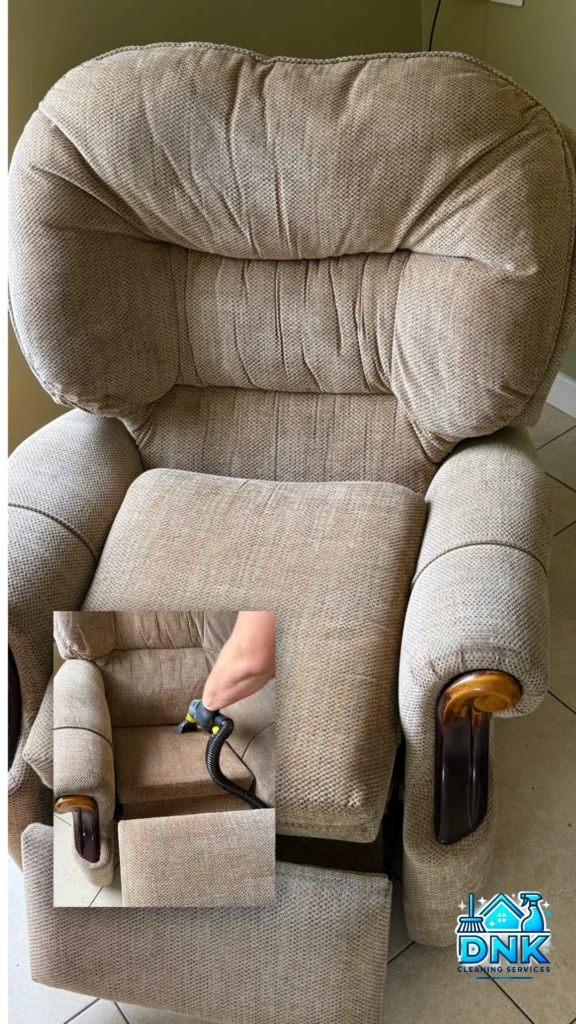
- Carpet and upholstery extraction (odours, pet hair, stains) — typical published starting rates include €60 for a carpeted room, €80–100 for a mattress, and €120 for a sofa + armchair set
- Window cleaning (photo-ready finish)
Tenant advocacy reporting has also highlighted how cleaning and “small jobs” are frequently cited by landlords in deposit retention situations, sometimes without clear evidence — another reason inspection-led cleaning and documentation matter.
Pricing in Killarney: Real Starting Points and What Affects the Quote
Pricing for end of tenancy cleaning in Killarney depends on workload, not just room count. Two apartments with the same layout can take radically different time depending on grease build-up, limescale, pet hair, mould spots, and whether the property is empty. Access matters too: parking distance, stairs, key collection, and utilities being on.
DNK Cleaning publishes practical starting points for move-in/move-out cleaning in Kerry:
- 1-bed apartment move-in/move-out clean: from €190
- 2–3 bed end-of-tenancy cleaning: from €450
- Large house move-out cleaning: from €650
For appliance cleaning, published signals include single oven from €70, double oven from €90, and an appliance bundle from €130.
DIY vs professional: the honest trade-off
| Option | What you’re really buying | Typical risk level | Best for |
| DIY checklist-led clean | Your time and attention to detail | Medium–high if hotspots are missed | Small properties, low build-up, flexible timelines |
| Targeted add-ons only | Risk removal for hotspots | Medium | Tenants who can clean but need help with ovens/carpets/windows |
| Full professional move-out clean | Consistent, inspection-ready finish | Low | Tight deadlines, strict landlords, larger homes |
Need a quick turnaround?
Send your details via the website form, or WhatsApp us now for the fastest reply.
Conclusion
End of tenancy cleaning in Killarney is a practical decision with financial consequences, not a cosmetic preference. When inspections are short, the work must be targeted: kitchens and bathrooms first, then edges, touchpoints, odours, floors, and glass. The most common failures are small and visible — grease around the hob, limescale at taps, dust on skirting boards, residue inside cupboards, and cloudy shower glass.
Treat your move-out like a checklist-led process and document the result with dated photos. Ireland’s rental guidance is consistent: deposits can be withheld for specific reasons, and disputes can escalate when evidence is thin. If you can hit an inspection standard yourself, the checklist above will get you there. If you can’t — because time is tight, the property is large, or your lease is strict — professional move-out cleaning becomes a sensible risk-control tool.
FAQs
Do I need professional end of tenancy cleaning in Killarney to get my deposit back?
Not always. If your lease does not require professional cleaning and the property is already well maintained, a careful DIY clean can be enough. The risk increases when landlords check appliances, limescale, odours, and edge work closely. RTB guidance lists the legal grounds for withholding deposits and recommends photos and cleaning before you leave.
What’s the difference between move-out cleaning and regular house cleaning?
Regular house cleaning is maintenance. Move-out cleaning is a reset built around inspection hotspots: inside cupboards, skirting boards, touchpoints, appliances, shower tracks, and limescale. DNK Cleaning’s move-in/move-out scope is explicitly positioned around landlord and agent standards, not weekly tidying.
How long should end of tenancy cleaning take?
Timing depends on size, condition, and whether the property is empty. Heavy kitchen grease, limescale, pet hair, mould spots, and appliances that need deep cleaning all add time. A practical rule is to schedule cleaning after you fully move out; cleaning around boxes wastes time and reduces the finish.
Is oven cleaning included, or is it usually extra?
Deep oven degreasing is often treated separately because it’s labour intensive and needs specialist technique. If your landlord checks the oven, treat it as non-negotiable — DIY it properly or book it. DNK Cleaning publishes price signals such as single oven from €70, double oven from €90, and an appliance bundle from €130.
What photos should I take after cleaning?
Take bright, wide shots and close-ups of hotspots: oven interior and glass, hob, sink and tap bases, inside cupboards (especially under-sink), shower screen and tracks, toilet base, skirting boards, floors (corners), and mirrors/windows. RTB and Threshold both stress photos as practical evidence in deposit disputes.
What counts as “normal wear and tear” vs damage?
Normal wear and tear is gradual deterioration over time. Damage is beyond that — excessive stains, holes, smoke damage where smoking is banned, missing fixtures, and similar issues. RTB guidance explains the distinction and highlights that evidence is key when deductions are claimed.
Should I request a pre-move-out inspection?
If possible, yes. It reduces surprises and gives you a chance to fix issues before keys are returned. RTB guidance for avoiding disputes encourages structured inspections and documentation practices.
What should I send DNK Cleaning for a fast quote in Killarney?
Send your Eircode, property type, number of bedrooms/bathrooms, and confirm whether the home will be empty at cleaning time. Add the landlord’s must-check items (oven, carpets, windows, mould spots). DNK Cleaning’s move-out page also lists starting points (from €190, €450, €650 depending on property size).