
Available 24 hours a day, 7 days a week

Black Mould on Bathroom Silicone: Cleaning and Replacement Explained
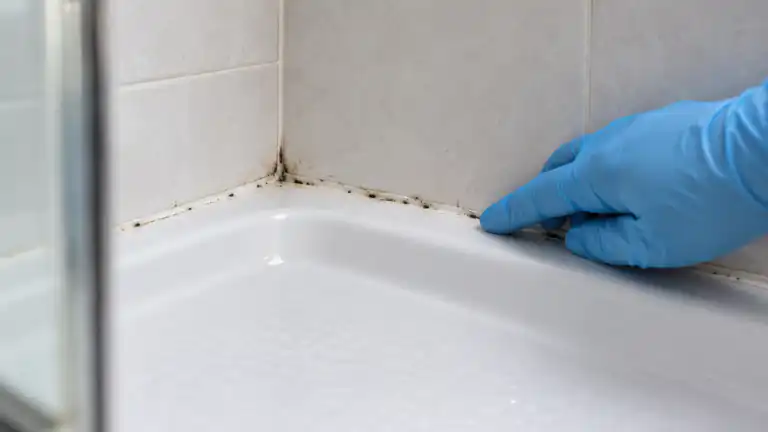
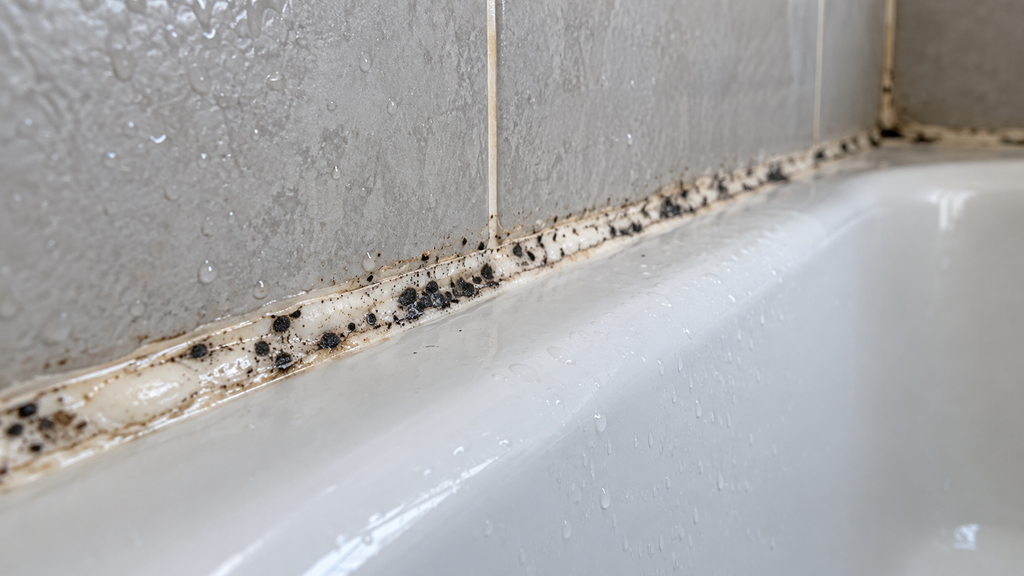
Black mould on bathroom silicone commonly develops around shower trays, bath edges and sinks, where moisture remains after use. Some surface growth can be cleaned, while persistent staining and deteriorating sealant may require replacement. The important distinction is between surface contamination and a failing seal. Cleaning can improve appearance, but it cannot repair cracks or restore silicone that has separated from the surrounding tiles.
Table of Contents
When Cleaning Is Appropriate
Cleaning may be suitable when the silicone remains intact, firmly attached and free from visible gaps. A treatment compatible with the sealant and surrounding materials can help remove surface contamination. Products should be used according to their instructions, with adequate ventilation.
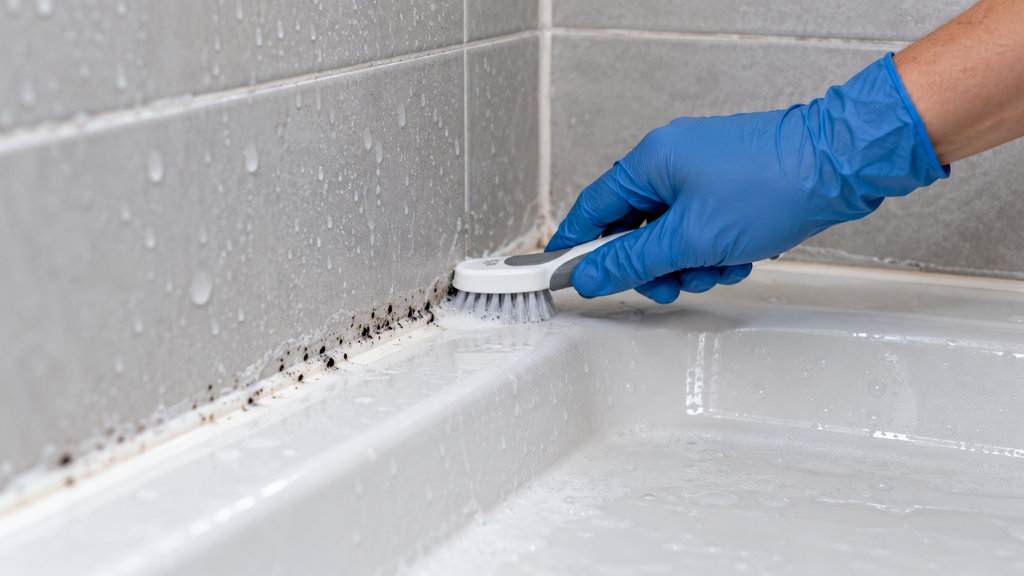
Avoid abrasive scrubbing that could damage the bead, and never mix cleaning chemicals. If mould also affects nearby walls or ceilings, consider professional mould removal in Kerry alongside an assessment of the silicone. Recurring marks may indicate an unresolved moisture problem.
Signs That Silicone Needs Replacing
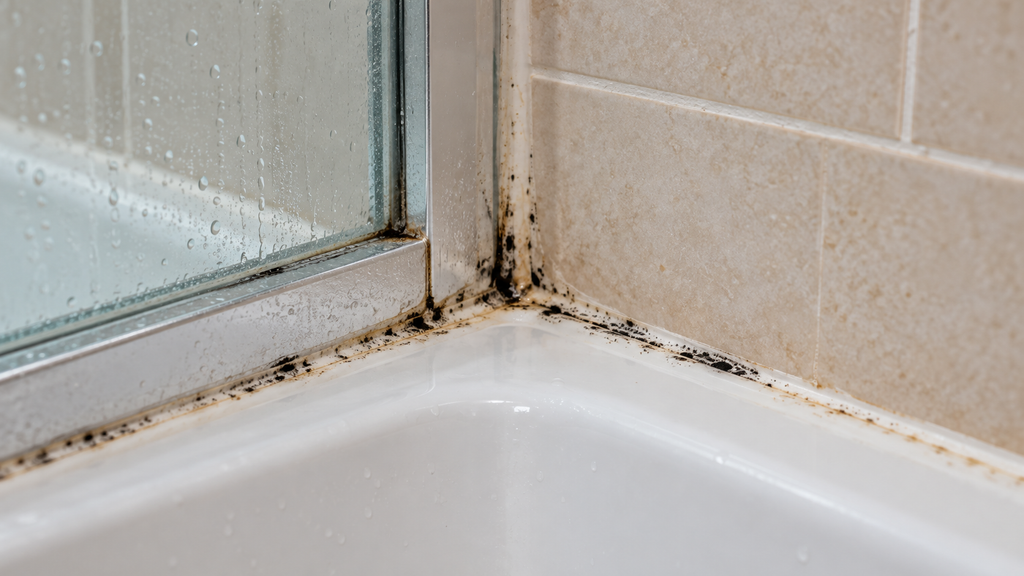
Replacement becomes more appropriate when the sealant is cracked, peeling or pulling away from the bath, shower tray or tiles. Persistent dark staining within the material may also make cleaning an unsatisfactory option.
Warning signs include:
- Gaps along the edges of the silicone.
- Loose sections or a visibly broken bead.
- Black staining that remains after suitable cleaning.
- Recurring dampness around the sealed joint.
Fresh silicone should not simply cover damaged material. Proper resealing involves removing the old bead, preparing the joint and allowing the area to dry before applying a suitable sanitary sealant.
Bathroom Cleaning Beyond the Silicone
Soap residue, limescale and grime can accumulate around shower screens, taps, tiles and bath edges. Where several areas need attention, a professional deep clean can address the wider bathroom rather than the sealant alone. For landlords preparing a property between occupants, bathroom checks can also form part of move-in and move-out cleaning in Kerry. Damaged joints should be identified before the next tenancy begins.
Different Paving Materials Need Different Care
| Surface or condition | Cleaning consideration | Realistic expectation |
|---|---|---|
| Concrete slabs | Assess surface wear, finish and joint condition | Cleaning may improve appearance without restoring the original finish |
| Natural stone | Identify the stone before choosing chemicals and pressure | Treatment must suit its sensitivity and porosity |
| Porcelain paving | Select products suitable for the finish and surrounding joints | Surface contamination may lift, while other staining needs assessment |
| Firmly attached black spots | Consider suitable treatment alongside controlled washing | Some marks may remain |
| Loose or damaged joints | Assess their condition before cleaning | Cleaning cannot replace missing or failed jointing |
Reducing Moisture Around Bathroom Seals
Use the extractor fan during and after bathing, remove excess water from shower edges and allow wet surfaces to dry. Leaking fittings, standing water and ineffective ventilation need attention alongside cleaning. Repeatedly treating visible marks without addressing excess moisture can lead to the same problem returning.
Arrange Bathroom Mould Treatment in Kerry
Blackened or peeling silicone needs an approach suited to its condition. Send DNK Cleaning clear photographs and your Eircode so we can discuss whether cleaning or replacement is appropriate.